Dynamics of the Durable Fellowship
Between March and May 2025, I was kindly hosted by the DURARE project at Utrecht University as a fellow.
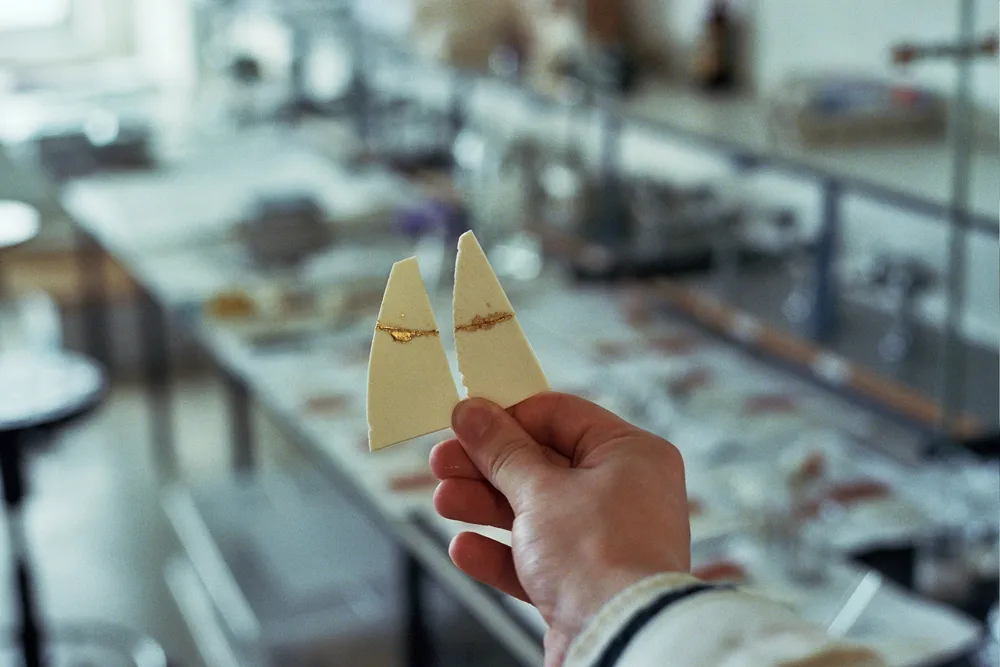
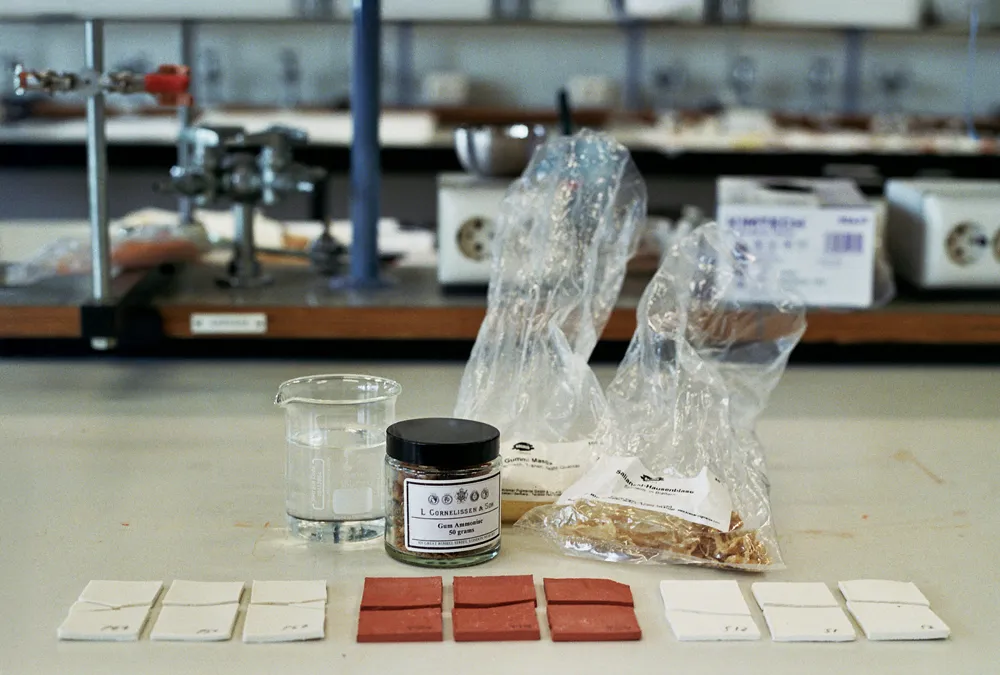
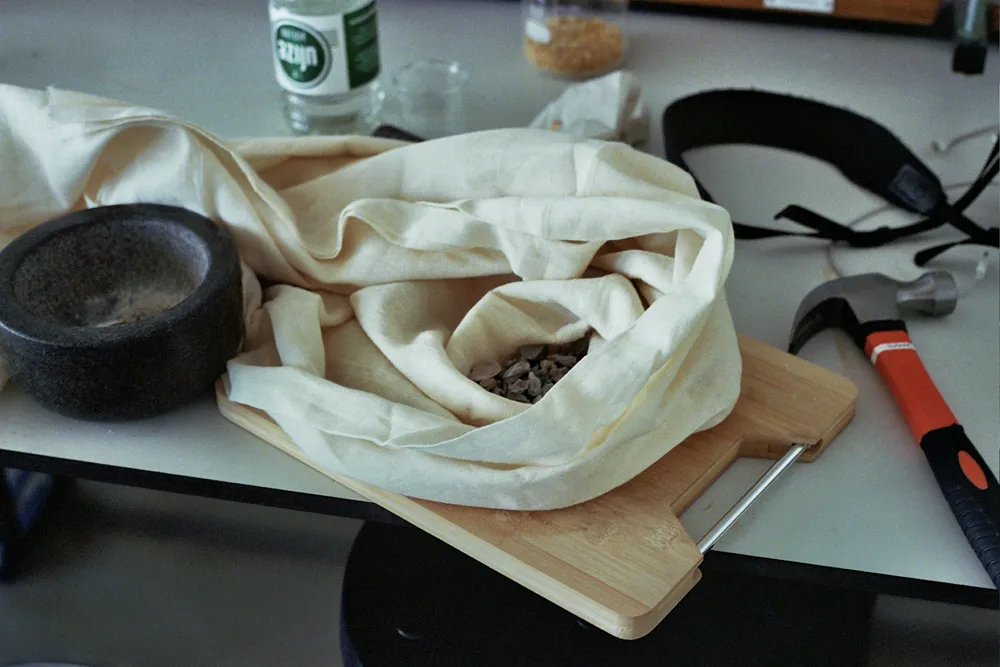
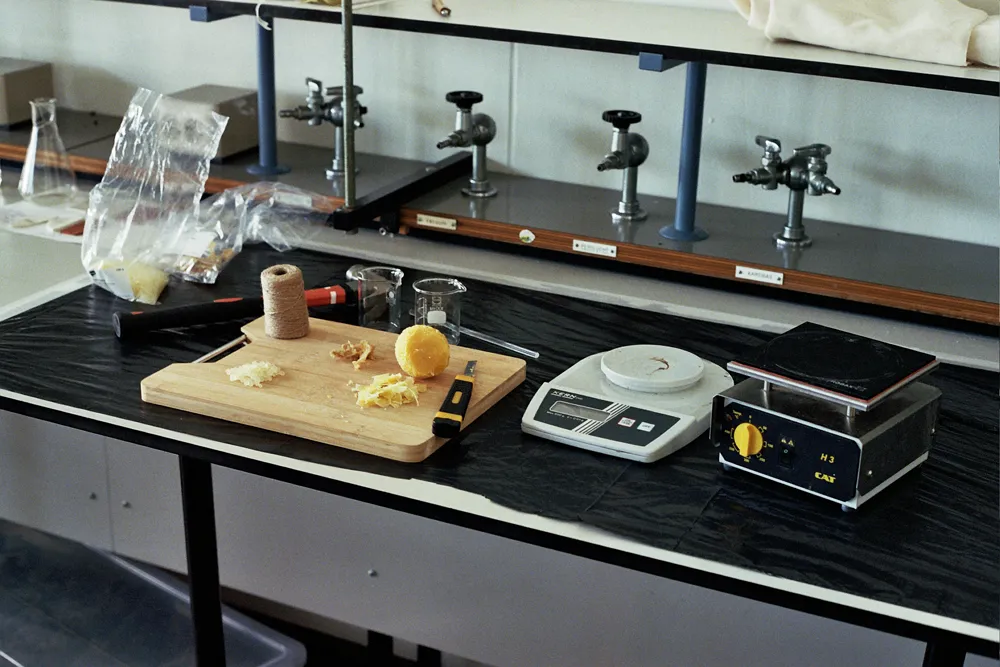
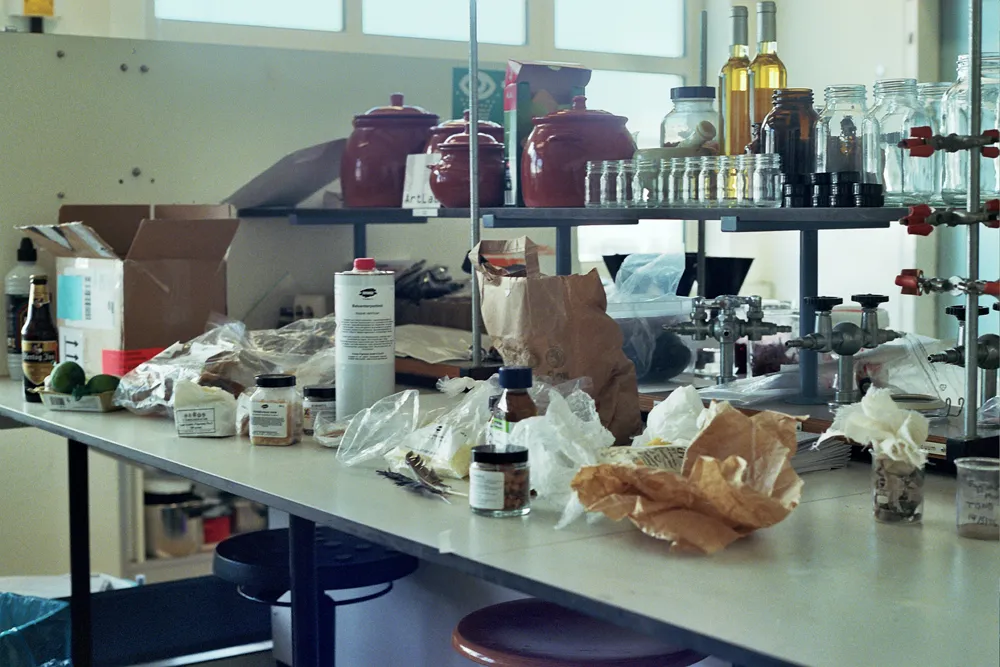
Through the fellowship, I enacted a number of recipes for early-modern ceramic ‘cements’ — home-made fillers which were the equivalent of modern milliput. Instructions for making cements appear variously in newspapers, cookery books, artists manuals, chemical treaties and diaries from the seventeenth to the nineteenth centuries.
These are materials which enjoy a kind of half-objecthood and are rarely considered in their own right. At the same time, the surviving cements I work with in museum collections are often dry, desiccated, amorphous substances. They are hardly visible, merely dark stains secreted between fractures.
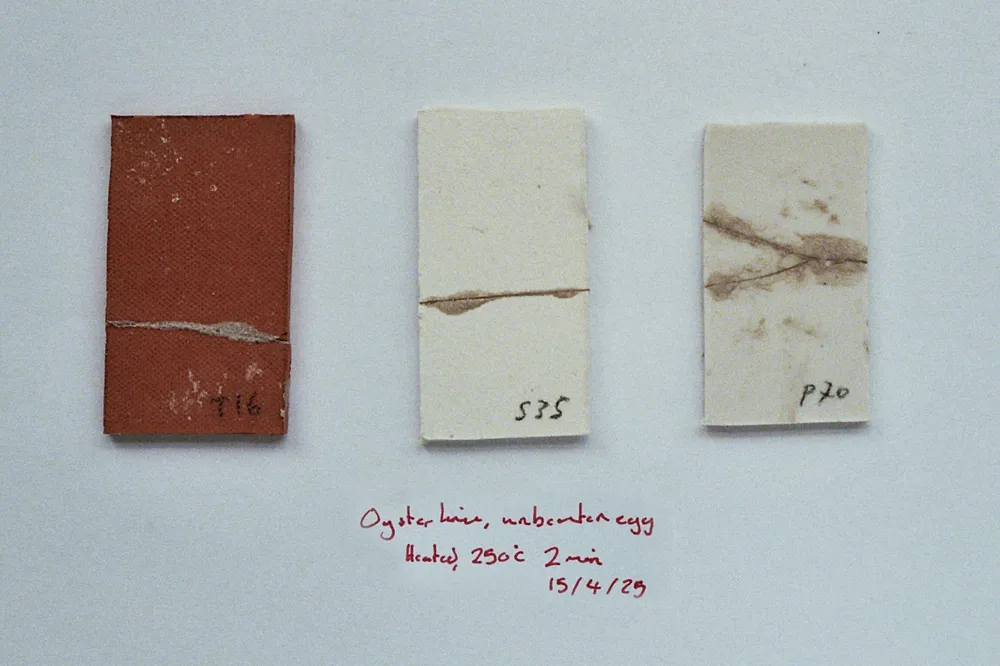
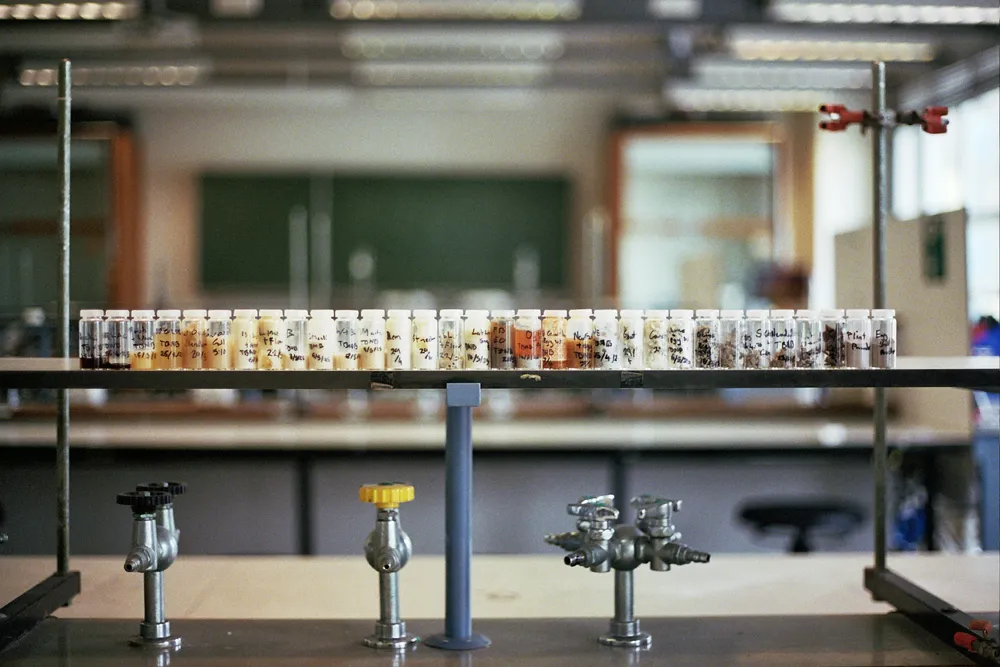
During these experiments, I sought to encounter cements in their flowing, vivid, and viscous states. They turned out to be extremely varied things indeed; they were variously globular, acrid, grainy, thin, bright red, purple or pale tan. The image below shows a few of the samples I took over the course of the visit.
One of my primary discoveries was that although I initially considered these materials glues, a number of them had surprisingly limited adhesive power. This finding has been considered in a DURARE blog, and a full analysis incorporated into my thesis.
My sincere thanks to Marjolijn Bol and Henrike Scholten for their generosity and graciousness as hosts, and to the ArtLab as a whole for enabling this research.