Oyster-Shells, Calcification and Ceramic Cements in the Eighteenth-Century Home
An output of my DURARE fellowship in 2025 was a multimedia blog post, entitled ‘Oyster-Shells, Calcification, and Ceramic Cements in the Eighteenth-Century Home’.
The piece focuses on the myriad methods available to eighteenth-century British householders for mending porcelain, stoneware, and earthenware objects, goods we might consider too troublesome to repair today. It investigates ‘cements’, the homemade precursors to modern mass-produced adhesives like superglue, by enacting instructions for making one of their key ingredients, quicklime, in the home.
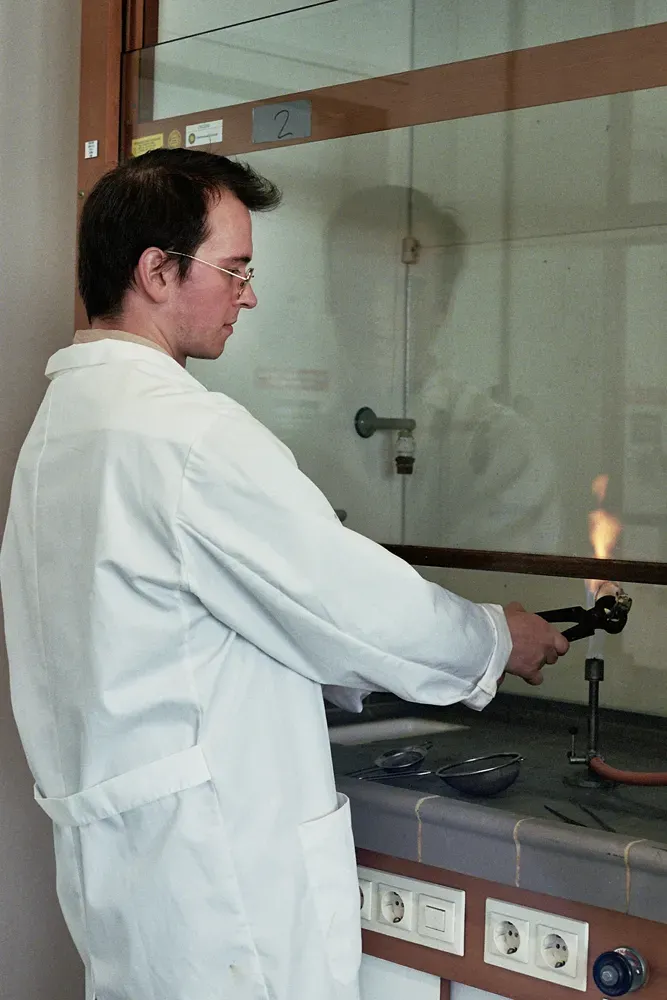
Through enactment, I explored lime’s vitality and cultural agency by experimenting with the domestic process of calcining oyster shells in the kitchen hearth. Revealing parallels with lime’s industrial production and use in the early British porcelain industry, I sought to situate domestic cement recipes within broader eighteenth-century cultures of experimentation, recycling and consumption.
Working with the pageflow platform provided a great opportunity to work with sound, video and visual annotation, methods which conventional academic publishing does not lend itself to. I am particularly proud of the intractable macro before / after of a calcined shell.